
Custom Patch Size Guide
Choosing the right size for your custom patch is important because size affects detail, visibility, placement, and overall appearance. A patch that is too small may lose fine details, while a patch that is too large can overpower the garment or accessory.
This custom patch size guide explains the most common patch sizes, where they work best, and how to choose the right size for uniforms, jackets, hoodies, hats, bags, sleeves, vests, and promotional apparel. Whether you are ordering embroidered patches, PVC patches, chenille patches, woven patches, leather patches, printed patches, or DTF transfers, the right size helps your design look clean, balanced, and professional.
At SAMBLEMS, we help you select the best patch size based on your artwork, product type, and placement. If you are not sure which size is right for your design, our team can review your artwork and recommend the best option before production.
Common Patch Sizes and Best Uses
1″ – 2″ Small Patches
Small patches are best for simple designs, icons, initials, flags, rank tabs, lapel placement, and compact branding. This size works well when the design does not include too much small text or fine detail.
Best for:
- Hats and caps
- Lapel areas
- Small logo patches
- Name patches
- Flag patches
- Morale patches
- Simple icons or symbols
Because the space is limited, small patches should use clean artwork with bold shapes and easy-to-read text.
2.5″ – 3.5″ Medium Patches
This is one of the most popular patch size ranges. Medium patches are large enough to show logos, text, borders, and color details, while still fitting comfortably on most garments.
Best for:
- Sleeves
- Chest placement
- Caps
- Uniforms
- Team patches
- School patches
- Scout patches
- Police and fire department style patches
- Sports and club patches
A 3″ to 3.5″ patch is a strong choice for most custom patch orders because it gives enough space for detail without looking too large.
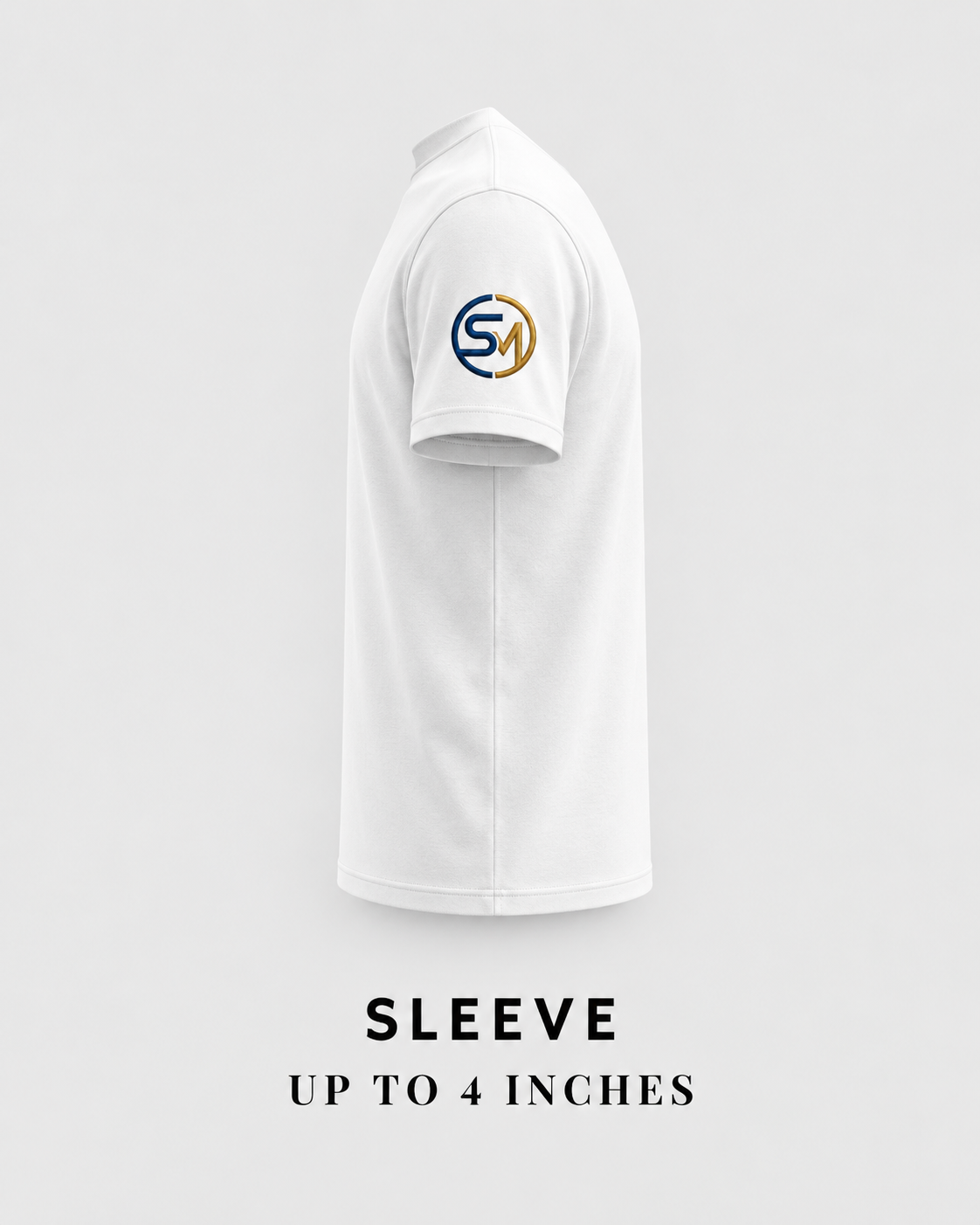
Up to 4″ Sleeve Patches
Sleeve patches usually work best when they are compact, clean, and easy to recognize from the side view. A patch up to 4″ is commonly used on T-shirts, polos, jackets, uniforms, and workwear.
Best for:
- T-shirt sleeves
- Polo sleeves
- Uniform sleeves
- Workwear sleeves
- Brand logo placement
- Team or organization patches
For sleeve placement, avoid overly complex designs. A clean logo, simple shape, or badge-style patch usually looks best.
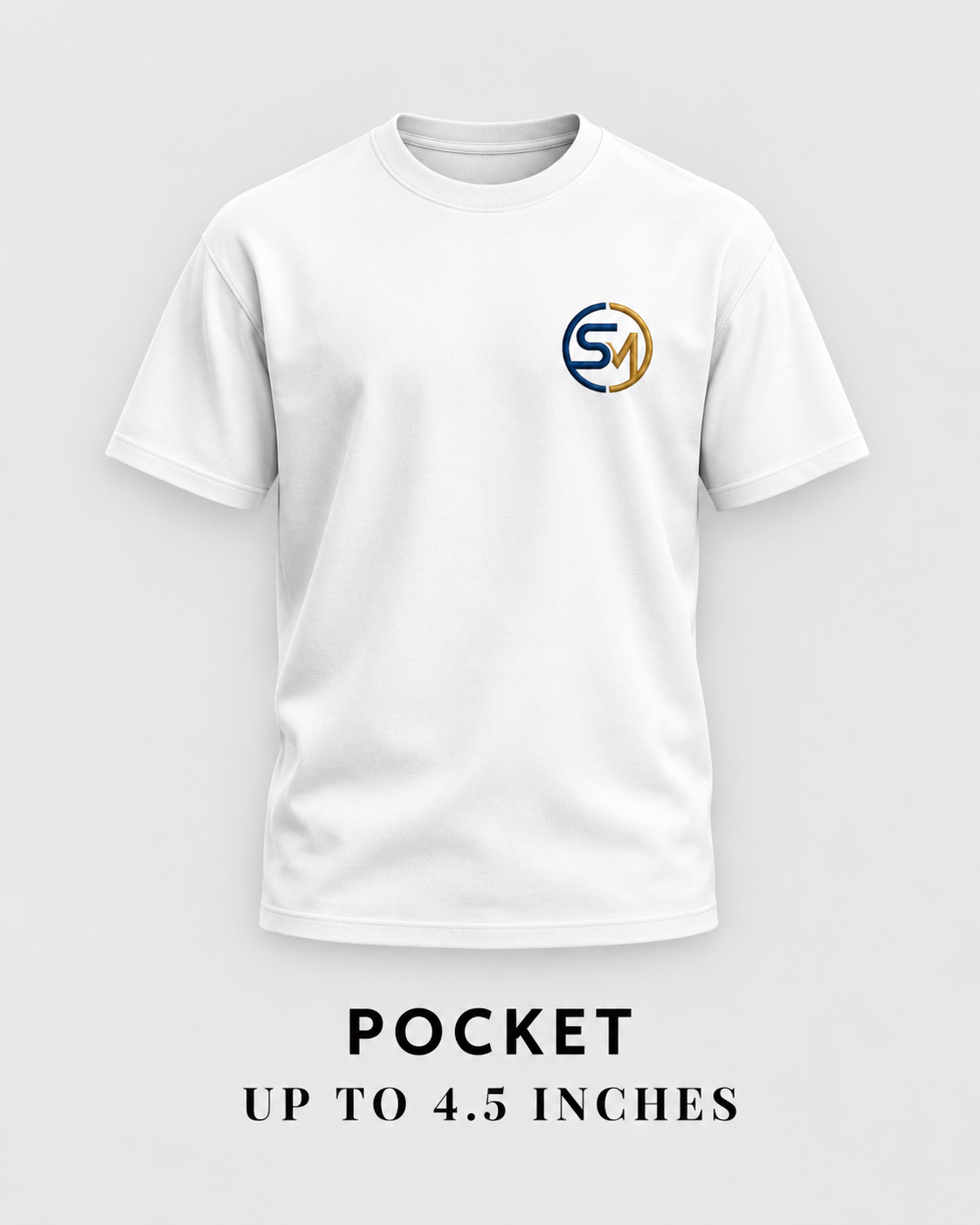
Up to 4.5″ Pocket Patches
Pocket patches are slightly larger than sleeve patches and are great for left chest or pocket-area branding. This placement gives your patch a professional look without covering too much of the garment.
Best for:
- T-shirts
- Polo shirts
- Work shirts
- Jackets
- Chest logo placement
- Brand patches
- Staff uniforms
Pocket patches should be easy to read and balanced with the size of the shirt or jacket.
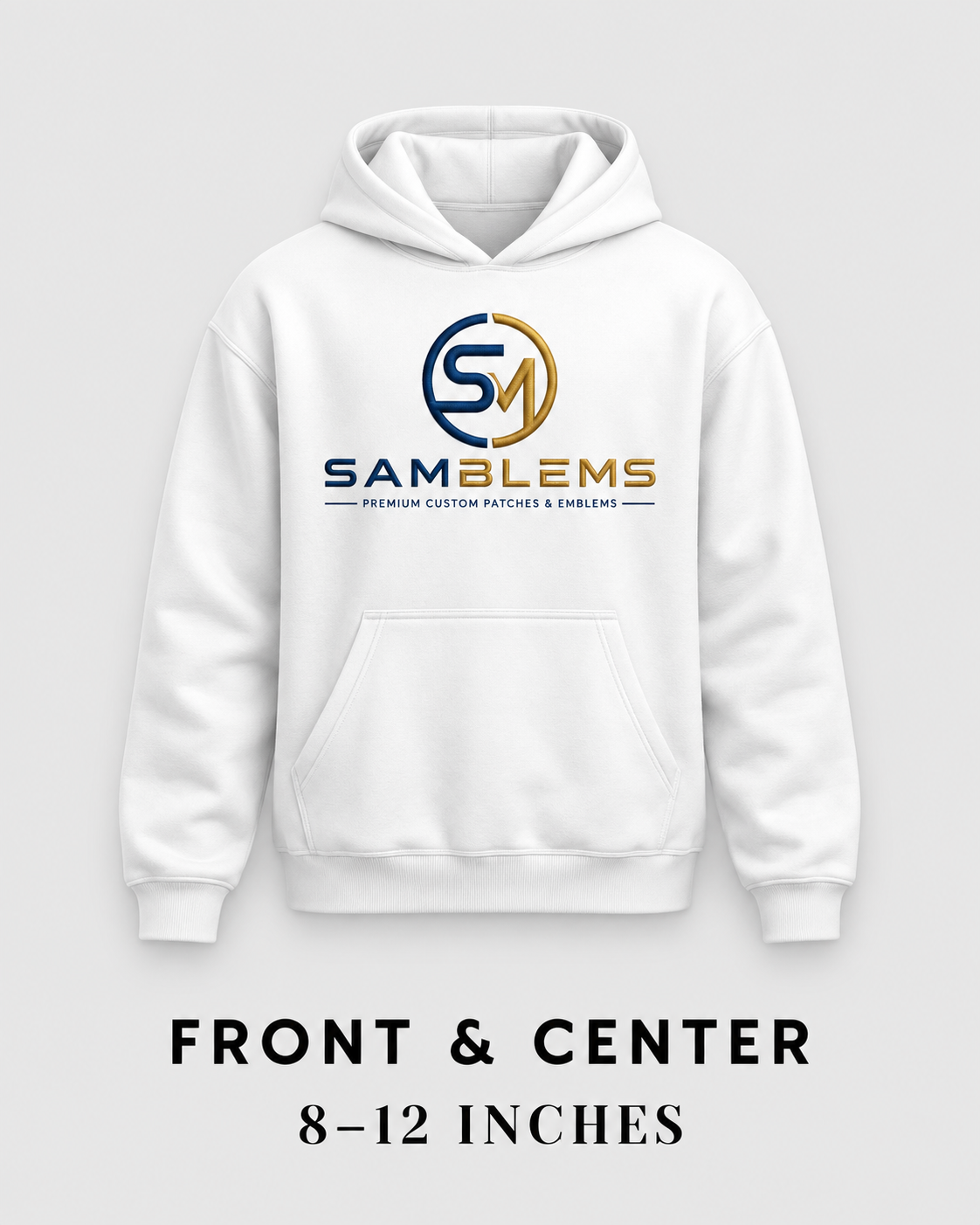
8″ – 12″ Large Front Patches
Large patches are perfect for hoodie fronts, full chest designs, and bold artwork that needs strong visual impact. This size gives enough space for detailed artwork, large text, and multi-color designs.
Best for:
- Hoodie front placement
- Full chest patches
- Large brand logos
- Club patches
- Martial arts patches
- Event patches
- Statement apparel
An 8″ to 12″ patch is ideal when the design needs to be seen clearly from a distance.
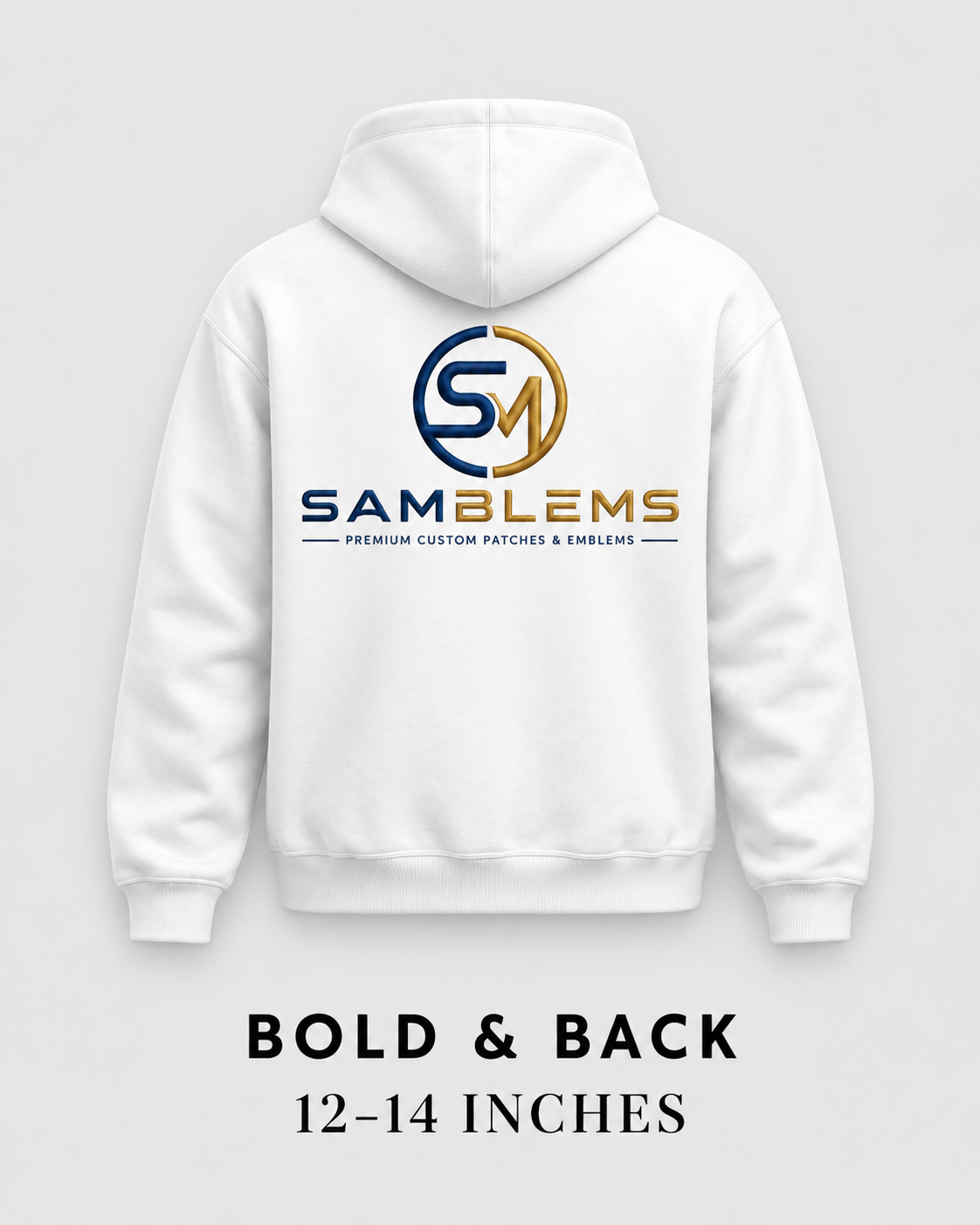
12″ – 14″ Back Patches
Extra-large patches are made for bold back placement. These patches are commonly used on jackets, biker vests, club apparel, uniforms, and large display pieces.
Best for:
- Jacket backs
- Biker vests
- Club patches
- Large team patches
- Back logo placement
- Statement designs
- Display patches
A 12″ to 14″ patch creates a strong centerpiece and is perfect when the patch is the main focus of the garment.
How to Choose the Right Patch Size
The right patch size depends on three main things: placement, design detail, and visibility.
Match the Size to the Placement
Start by deciding where the patch will be applied. A 2″ patch may look good on a cap, but it can look too small on the back of a jacket. A 10″ patch may look perfect on a hoodie or vest, but it may be too large for a polo shirt.
Common placement guide:
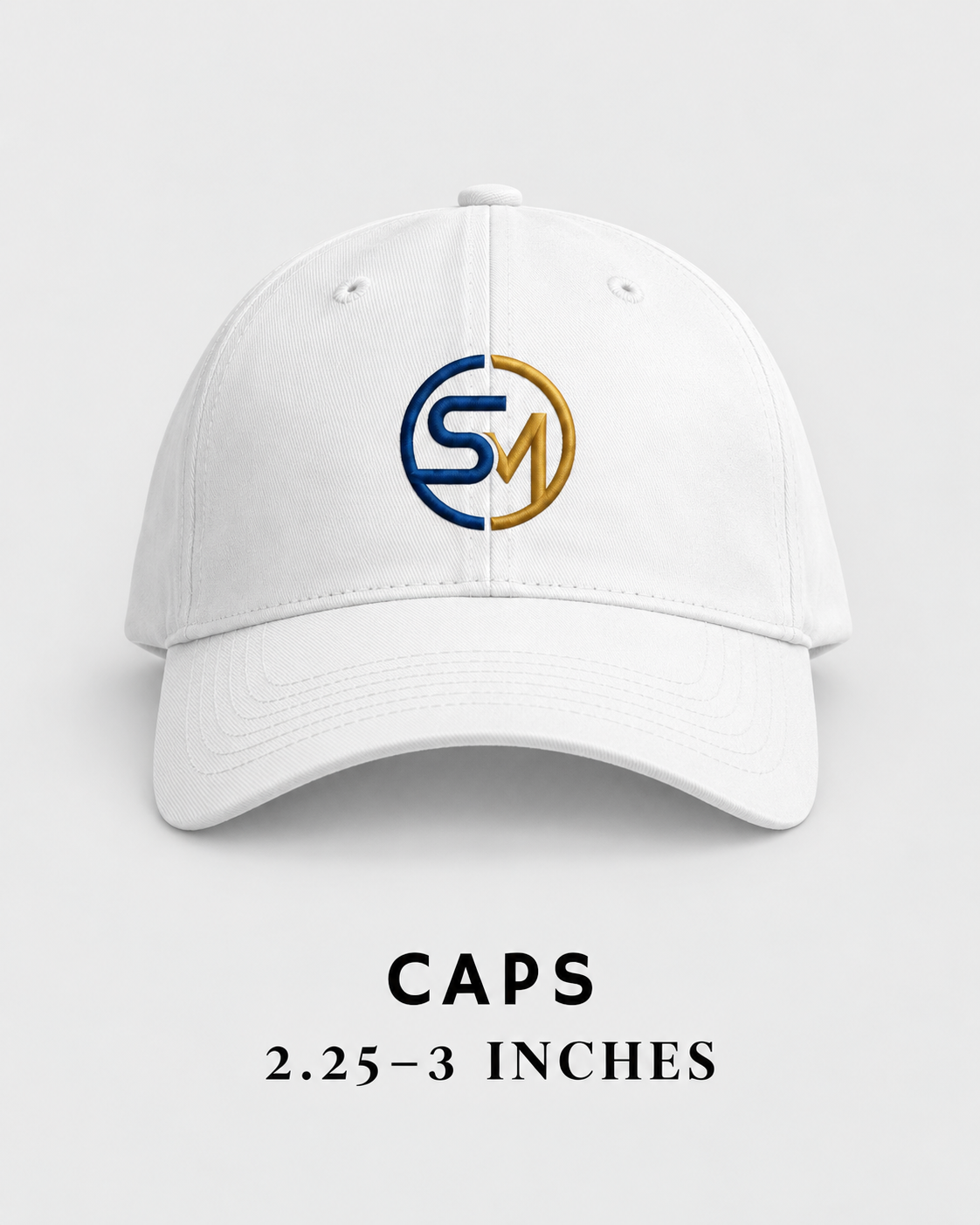
- Caps: 2.25″ – 3″
- Sleeves: up to 4″
- Pocket or left chest: up to 4.5″
- Hoodie front: 8″ – 12″
- Jacket or vest back: 12″ – 14″
Match the Size to the Artwork
Simple designs can work at smaller sizes. Detailed artwork needs more space. If your design includes small text, thin lines, multiple colors, gradients, or detailed shapes, a larger size will help keep everything clear.
For detailed logos, a 3″ or larger patch is usually a safer option.
Match the Size to Viewing Distance
Think about how far away people will be when they see the patch. If the patch needs to be readable from across a room or at an event, choose a larger size. If it is mainly for close-up branding or identification, a smaller size can work well.
Does Patch Type Affect Size?
Yes, the patch type can affect how much detail is visible at different sizes.
Embroidered Patches
Best for bold logos, raised texture, and classic stitched designs. Small text may need a larger patch size.
Woven Patches
Best for fine details, small text, and clean linework because the finish is smoother and more precise.
PVC Patches
Best for bold 2D or 3D designs. Great for outdoor, tactical, and durable branding.
Chenille Patches
Best for large letters, varsity designs, and bold textured patches. Usually works better at medium to large sizes.
Leather Patches
Best for caps, denim, jackets, bags, and premium apparel branding. Simple engraved or embossed artwork works best.
Printed Patches
Best for full-color artwork, gradients, detailed images, and designs that need sharp color detail.
Final Thoughts
Choosing the right custom patch size helps your design look professional, readable, and balanced. Small patches are great for caps, sleeves, and simple logos. Medium patches are perfect for uniforms and everyday branding. Large and extra-large patches work best for hoodies, jackets, vests, and bold statement pieces.
At SAMBLEMS, we create custom patches in different sizes, shapes, materials, borders, and backing options. Share your design, placement idea, and quantity, and our team will help recommend the best patch size for your project.
Frequently Asked Questions About Patch Size
What is the most common patch size?
The most common patch size is around 3″ to 3.5″. This size is large enough for logos, text, and design details while still fitting well on sleeves, chests, caps, uniforms, and jackets.
What size patch is best for a hat?
Hat patches are usually 2.25″ to 3″ wide. Clean shapes like circles, ovals, rectangles, shields, and rounded rectangles work well on caps.
What size patch is best for a sleeve?
Sleeve patches are usually up to 4″. This size keeps the patch visible without making it look too large on the arm.
What size patch is best for pocket placement?
Pocket or left chest patches usually work best up to 4.5″. This gives enough space for branding while keeping the design clean and professional.
What size patch is best for the front of a hoodie?
For hoodie front placement, 8″ to 12″ is a popular size range. It gives the design strong visibility and works well for large logos, full chest artwork, and statement patches.
What size patch is best for jacket back placement?
Back patches are commonly 12″ to 14″. This size is ideal for biker vests, jackets, club patches, and large display designs.
Does patch size affect price?
Yes. Larger patches use more material and require more production time, so pricing can increase with size. Quantity, patch type, backing, border, and add-ons can also affect the final price.
Can I order a custom size?
Yes. SAMBLEMS can create patches in custom sizes and shapes based on your artwork and placement needs.
How do I know which size is best for my design?
Send your artwork and placement idea to SAMBLEMS. Our team can review your design and recommend the best patch size before production.